July 2, 2026
When a massive commercial vehicle, semi-truck, or piece of heavy machinery breaks down, the instinct to save time and money by managing the problem yourself can be incredibly tempting. However, attempting heavy duty towing without the proper resources presents an entirely different set of structural and logistical challenges than a standard roadside pull. According to LookUpAPlate, the international roadside assistance sector is on track to hit a valuation of $38.5 billion by 2028, reflecting the massive scale and critical necessity of professional vehicle recovery networks. Heavy duty vehicle recovery is a highly technical discipline governed by complex weight distributions, rigorous mechanical strain, and strict legal regulations. Understanding why you should never treat this crucial process as a weekend project is the first step toward protecting your fleet, your finances, and your safety.
Heavy Duty Towing Complexity
Operational Complexity Factors
Several factors contribute to the complexity of heavy duty towing, including vehicle size, terrain conditions, and the specific requirements of the towing task. Large vehicles often have complex weight distributions that require precise handling during towing. Furthermore, adverse weather conditions or uneven terrain can present additional challenges to towing efforts. Professionals are trained to assess these variables and adjust their approach accordingly. Neglecting these crucial factors is a common pitfall for those attempting to undertake towing tasks without professional guidance.
Required Knowledge and Skillsets
Towing heavy duty vehicles demands a wide-ranging skill set that includes technical knowledge, hands-on experience, and an acute awareness of safety standards. Operating specialized equipment and making intricate coupling decisions require formal education and practical training. This expertise not only ensures successful towing operations but also mitigates the risks associated with potential hazards. Operators must be well-versed in industry regulations as well as local laws governing towing practices. Ultimately, the breadth of knowledge demanded by heavy duty towing far exceeds that of casual vehicle maintenance.
Common DIY Misconceptions
DIY enthusiasts often underestimate the challenges associated with heavy duty towing, mistaking it for an enhanced version of light-duty tasks. Common misconceptions include the belief that simple mechanical skills and domestic tools are sufficient for handling large vehicles. There is also a tendency to misjudge the safety requirements and potential legal liabilities involved in towing operations. This fundamental misunderstanding can lead to significant dangers, accidents, and legal troubles. It is vital to dispel these erroneous assumptions and recognize the complexity and risks inherent in heavy duty towing.
DIY Towing Risks and Dangers
Personal Injury Risks
One of the most significant risks of DIY heavy duty towing is the potential for severe personal injury. The sheer weight and force exerted by large vehicles can result in catastrophic accidents, especially in inexperienced hands. Strain injuries from improper lifting techniques or falls from unstable vehicles are common in DIY attempts. Additionally, improperly securing a load can lead to snap-back incidents or crush injuries if the equipment fails. These risks underscore the necessity of leaving heavy duty towing to trained professionals who prioritize safety above all else.
Property Damage Dangers
Improper handling of heavy duty towing can result in extensive damage to both the towed vehicle and the towing equipment. Incorrect placement of hooks or inadequate knotting can lead to vehicles coming loose, causing collisions or rolling away. Moreover, damage can occur to public roads, infrastructure, and private property if the towing operation is not conducted correctly. This can result not only in costly repairs but also in legal disputes with property owners or insurance companies. Adequate knowledge and experience are essential to prevent such damage.
Legal Implications and Liabilities
DIY tow operations can expose individuals to significant legal liabilities, encompassing fines, penalties, and potential lawsuits. Operating a towing vehicle without the proper licenses or permits can result in legal action by local authorities. There is also the risk of being held liable for accidents caused during an improperly executed towing operation. This includes damages to other vehicles, injuries to passengers, or harm to pedestrians. Navigating these legal challenges can be overwhelming without the support of professional, compliant towing services.
Professional Equipment and Tool Standards
Specialized Towing Fleets
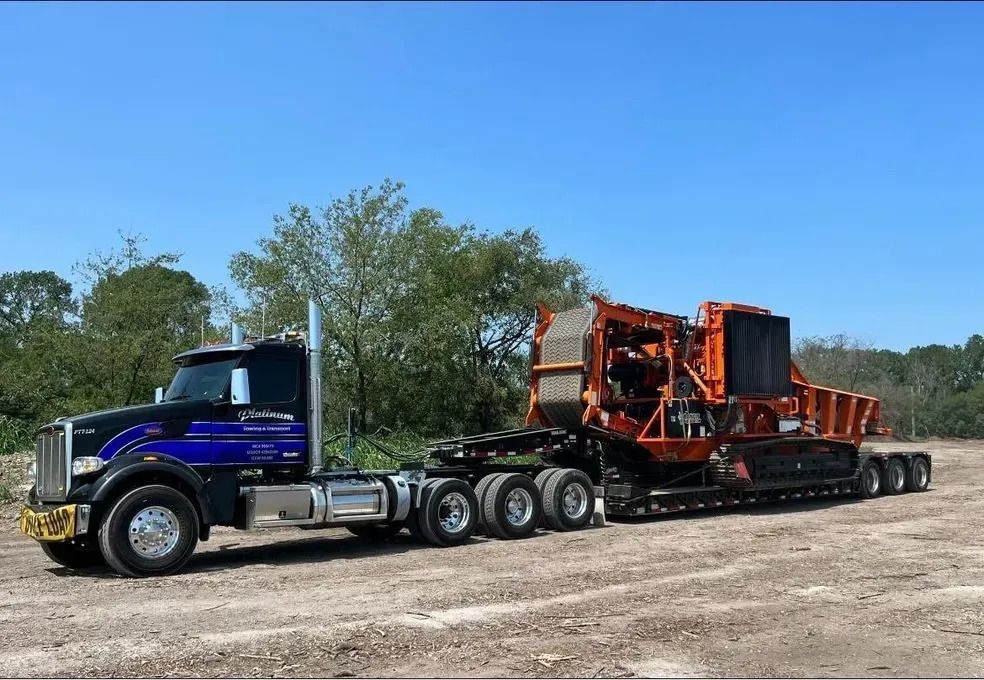
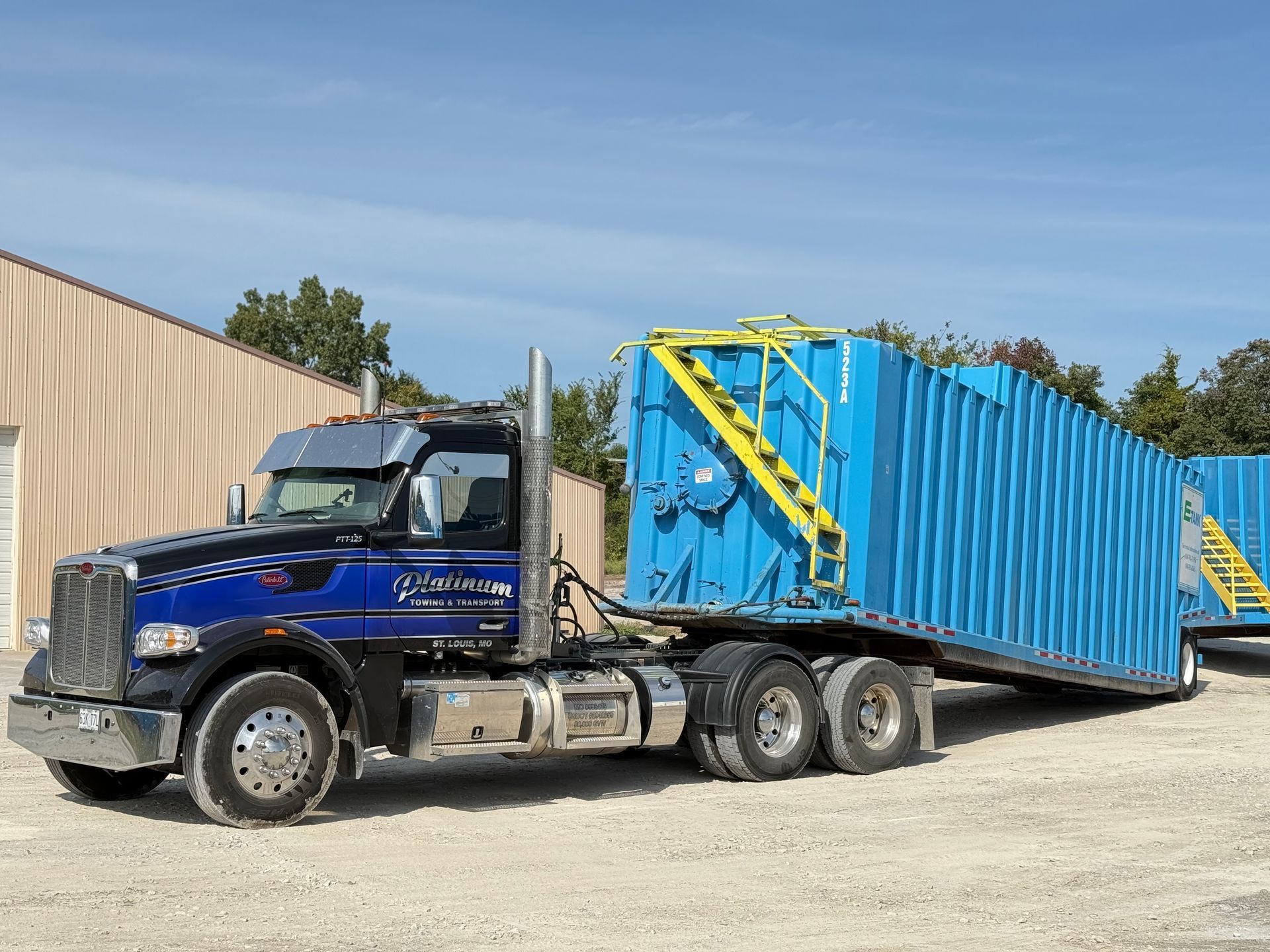
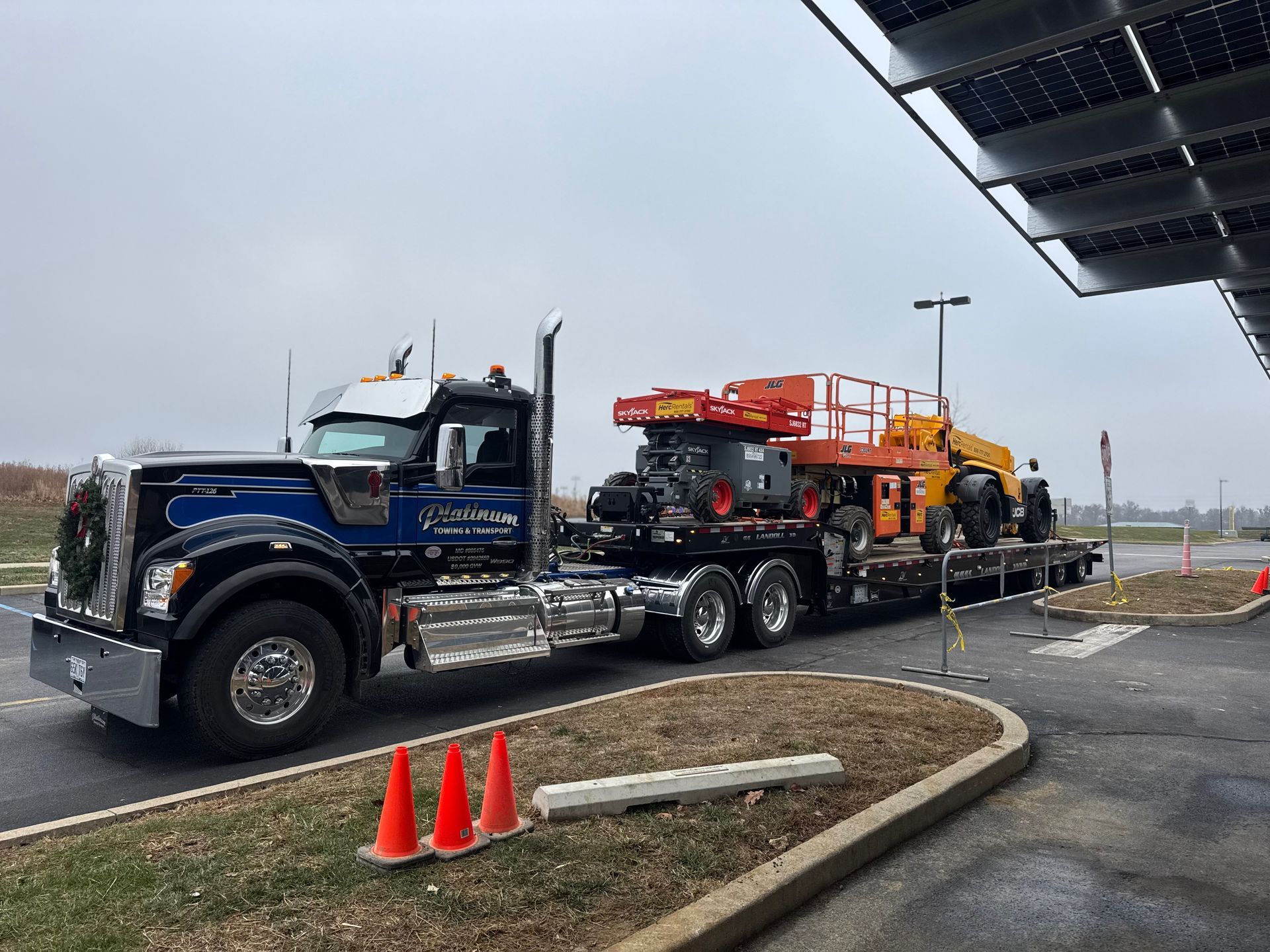
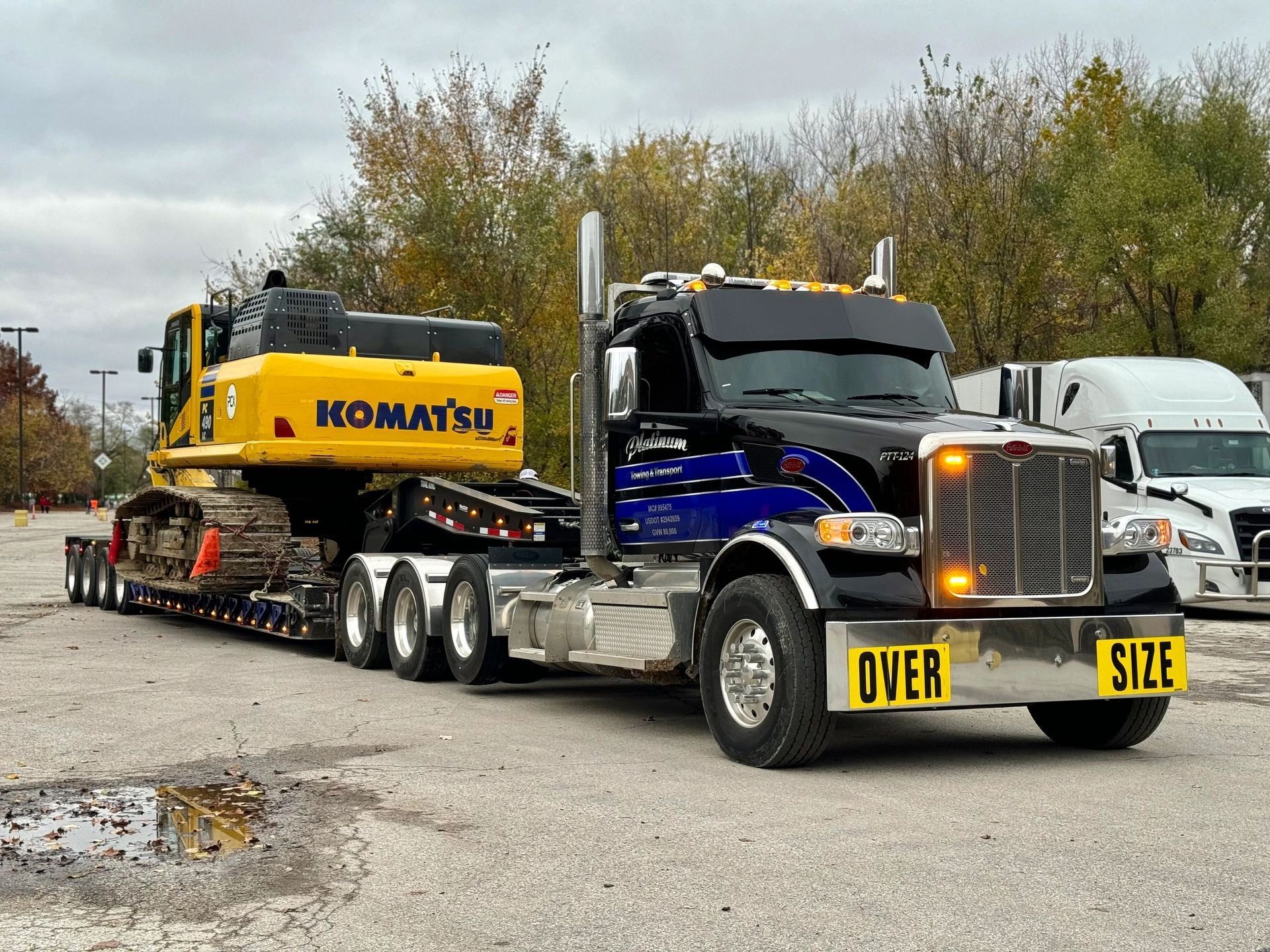
Professional towing services employ specialized trucks specifically designed for handling heavy loads and intricate maneuvering tasks. These vehicles are equipped with robust engines, hydraulic systems, and secure anchoring systems tailored to large-scale towing challenges. Such equipment allows for precision handling and adjustment capabilities that significantly outperform standard towing setups. This level of specialized equipment is beyond the scope of personal resources typical in DIY attempts. Investing in such tools for a one-off DIY project is neither practical nor cost-effective.
Advanced Towing Accessories
Advanced towing accessories play a crucial role in ensuring the success of heavy duty towing operations. Components such as high-tensile steel chains, reinforced tow-bars, and heavy duty ratchet straps provide necessary security and stability for the tow. These accessories are engineered to withstand the substantial forces involved in securing and maneuvering large vehicles and equipment. Proven reliability through rigorous testing and maintenance protocols ensures minimal risk of operational failure. Professionals have immediate access to these tools, enhancing safety and efficiency in all tasks.
Equipment Maintenance and Upkeep
Regular maintenance of towing equipment is essential to ensure the safety and efficiency of heavy duty towing operations. Professional towing companies dedicate significant resources to the upkeep of their equipment, adhering to manufacturer-recommended schedules and standard procedures. This commitment guarantees that all tools and vehicles operate at peak performance, reducing downtime and minimizing failures. DIY projects often neglect these maintenance aspects, resulting in avoidable breakdowns and safety hazards. Relying on professional services ensures access to well-maintained, reliable equipment.
Professional Training and Expertise
Field Experience and Problem-Solving
Experience is a critical differentiator in the towing industry that DIY approaches cannot replicate. Seasoned professionals have faced diverse challenges and developed keen problem-solving abilities, enabling them to manage unforeseen complications adeptly. Their extensive background allows them to anticipate potential problems and implement proactive solutions, ensuring the seamless execution of towing tasks. Without this experience, DIY attempts risk frequent setbacks and missteps, leading to extended downtime and increased safety hazards. Opting for professional services ensures that every situation is managed by individuals equipped with essential skills honed over years of experience.
On-the-Job Safety Protocols
Safety protocols are integral components of professional towing operations, instilling confidence in clients and reducing risk. Professionals adhere to standardized procedures that include pre-operation equipment checks, continuous safety assessments, and comprehensive contingency plans. These protocols ensure compliance with both regulatory standards and best practices within the towing industry. While a DIY approach may overlook or disregard these critical safety elements, professional services prioritize them, protecting both personnel and assets. Consequently, selecting a professional service implies entrusting the operation to entities committed to prioritizing safety above all else.
Unanticipated Field Challenges
Professional towing companies possess the expertise necessary to navigate a wide range of unanticipated challenges during towing operations. From inclement weather to mechanical failures and impromptu route changes, experienced operators are prepared to address the unexpected effectively. This capacity to adapt and respond ensures operational continuity, minimizing potential damage or delays. A DIY individual, lacking this skill set and depth of experience, is more likely to encounter surprises without adequate preparation, resulting in additional complications. Therefore, professionals bring confidence and reliability to even the most unpredictable towing scenarios.
Cutting corners on heavy duty towing invariably leads to compounding mechanical and financial crises. Leaving this critical task to a professional team eliminates the extreme risks of personal injury, catastrophic structural damage, and severe legal liabilities brought on by inadequate equipment. With specialized wreckers, industrial-strength rigging tools, and rigorous safety protocols, certified operators can effortlessly handle unpredictable environmental hazards and terrain shifts. Ultimately, investing in certified expertise ensures your heavy duty assets are transported safely, efficiently, and with total peace of mind. Contact Platinum Towing & Transport for fast, reliable professional towing services whenever you need them most!