Common Causes for Semi Truck Towing and How to Avoid Them
Operating a highly productive, safe, and efficient commercial transport fleet or managing a long-haul logistics route is an exceptionally demanding enterprise milestone that directly influences your daily corporate revenue, supply chain integrity, and long-term asset value. Unlike standard consumer vehicles, heavy-duty commercial rigs operate under grueling conditions, pulling massive freight weights across thousands of miles of varied highway terrain every single week. Because your semi truck serves as the primary engine of your daily business output, keeping its structural and mechanical systems optimized is a mandatory prerequisite for success.
Many fleet managers and independent owner-operators make the mistake of adopting a passive approach to vehicle preservation, treating a slight air pressure drop, an elevated engine temperature reading, or an active dashboard warning light as minor structural quirks that can be ignored until the rig returns to the main terminal. Unfortunately, letting minor component wear slide inevitably results in unexpected component breakdowns on the highway, forcing you into a costly situation that disrupts your schedule and drains your logistics budget.
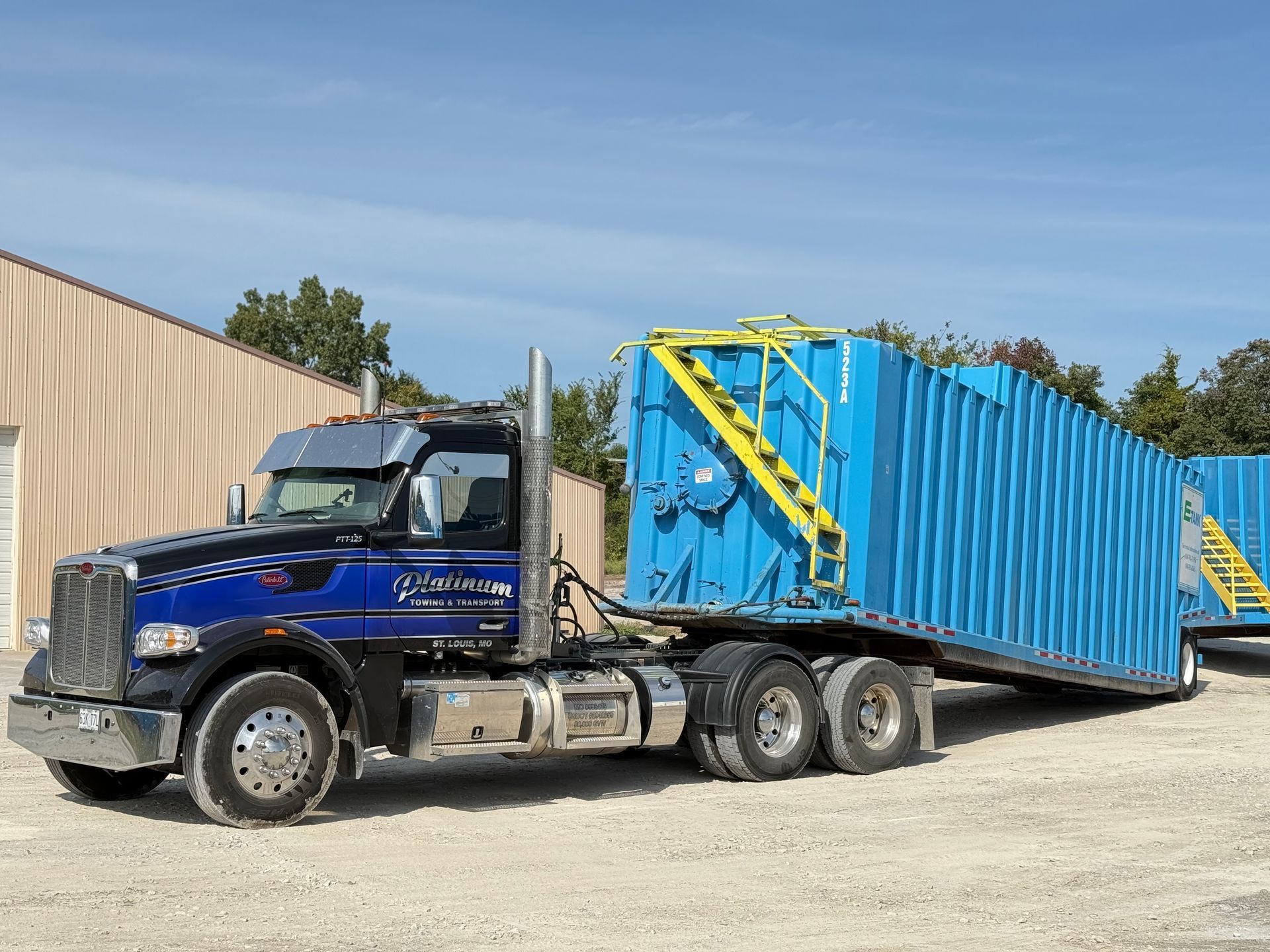
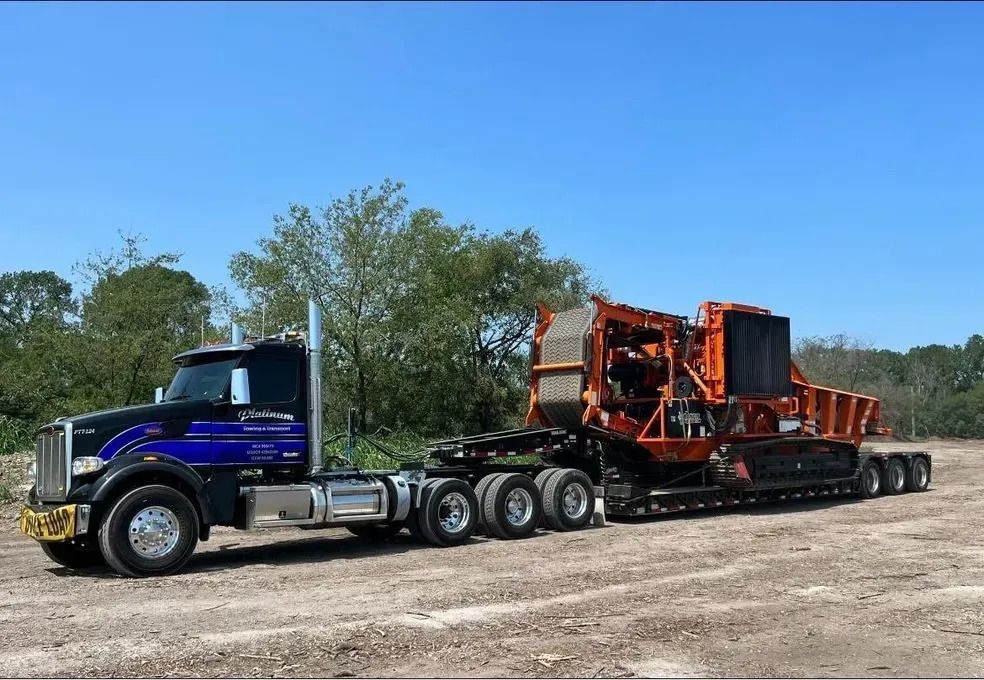
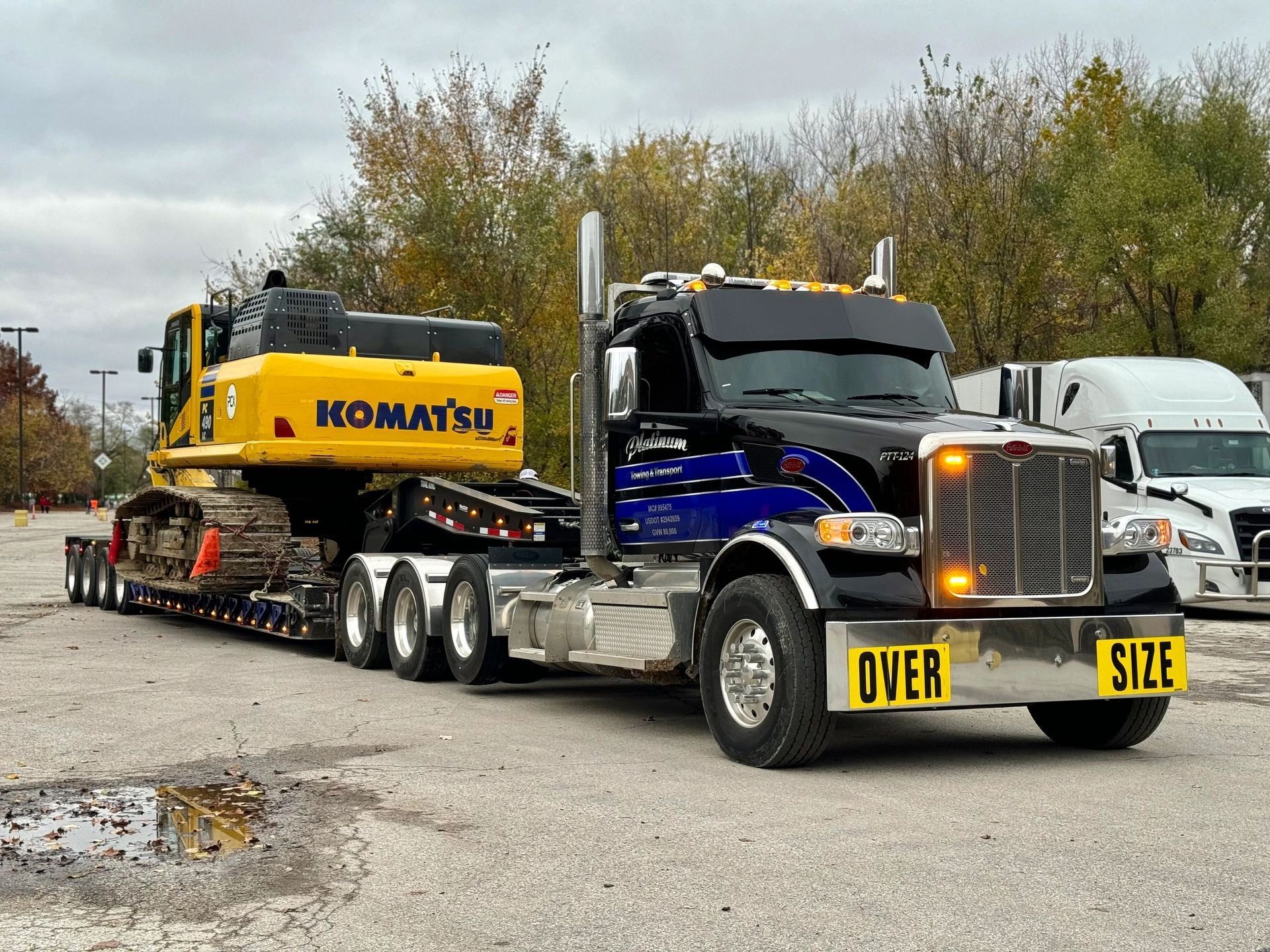
When a multi-ton tractor-trailer suffers a critical mechanical failure while traveling at highway speeds, standard roadside assistance plans are entirely unequipped to manage the recovery process. Resolving a heavy transport breakdown requires massive specialized wreckers, certified heavy-duty recovery operators, and extensive coordination with local highway safety departments to clear the lanes safely. This complex logistical reality is why getting stuck on the shoulder is a massive headache that every logistics provider works hard to avoid. Beyond the immediate operational downtime and missed customer delivery windows, the physical distance required to transport a disabled commercial rig to an authorized repair facility can be surprisingly long, compounding your overall field expenses.
According to LookUpAPlate, the average tow in the US is between 10 miles and 40 miles. When you multiply that distance by heavy-duty commercial towing rates, a single roadside breakdown can easily transform into a massive financial liability. Relying on regular preventative care completely removes the threat of sudden semi truck towing from your operations calendar. Prioritizing targeted system maintenance ensures your fleet remains fully optimized, providing distinct mechanical, structural, and financial advantages while protecting your business from the common causes of semi truck towing.
Preventing Severe Engine Overheating Disasters
The first major cause for emergency semi truck towing across the national highway network involves severe engine overheating and cooling system failures. Because heavy-duty commercial diesel engines generate intense thermal energy while pulling massive freight loads up steep mountain grades, a cooling infrastructure—including the radiator core, water pump, thermostat, and coolant hoses—must operate perfectly to dissipate heat.
When an operator ignores a hairline crack in a radiator hose or neglects regular coolant flushes, the system can quickly lose pressure and experience a rapid boil-over. To prevent catastrophic engine block warping or a blown head gasket, modern engine control units will automatically force the truck into an immediate emergency shutdown mode, requiring specialized semi truck towing to clear the highway. Fleet operators can easily avoid this expensive nightmare by enforcing strict trip inspections that require drivers to verify coolant fluid levels, check belt tension lines, and use thermal imaging tools to spot radiator blockages early.
Eliminating Dangerous Brake System Failures
Another critical mechanical issue that frequently results in immediate semi truck towing is a sudden, dangerous failure within the tractor-trailer's complex pneumatic air brake system. Commercial air brakes rely on a continuous, high-pressure stream of clean air to keep the brake shoes pulled away from the drums during travel, meaning that any sudden drop in system pressure will cause the safety springs to deploy automatically and lock up the wheels instantly.
A truck with locked-up air brakes cannot be driven a single foot, leaving the operator with no choice but to call for heavy-duty semi truck towing to lift or air up the rig for transport. These sudden, highly disruptive road blockages are typically caused by worn-out brake chambers, cracked air lines, or contaminated air dryers that allow water to rust internal valves. Enforcing a strict maintenance schedule that includes regular air tank draining, brake pad thickness measurements, and systematic slack adjuster calibrations eliminates the mechanical risks that trigger emergency semi truck towing.
Modernizing Aging Electrical Power Pathways
The third major threat to fleet up time involves sudden electrical system failures, dead batteries, and fried alternator circuits that leave a commercial vehicle completely powerless on the shoulder. Modern semi trucks function as rolling digital networks, relying on steady electrical current to power advanced emission controls, electronic logging devices, automatic transmissions, and complex fuel injection modules.
When a high-output alternator fails or a main wiring harness rubs against the frame and shorts out, the entire truck can experience a sudden electrical blackout, stalling the engine instantly. Because these advanced digital systems cannot be jump-started or repaired on the side of the road with basic tools, they frequently require professional semi truck towing to reach an electronics bay. Working with certified technicians to perform regular battery load testing, clean corroded ground connections, and replace aging alternators before they fail actively insulates your fleet from unexpected semi truck towing fees.
Tracking Internal Tire Inflation Pressures
The final, highly destructive cause of emergency road service and heavy-duty semi truck towing involves structural tire blowouts and wheel-end assembly failures. When a dual tire loses pressure silently, or an internal wheel bearing runs out of oil and overheats, the intense friction can melt steel spindles, shred surrounding air lines, and cause a dangerous tire fire that destroys the entire trailer layout.
When a wheel assembly experiences a severe thermal lockout or separates from the axle entirely, standard roadside tire trucks cannot complete the fix on the shoulder, making specialized
semi truck towing mandatory. Fleet managers can easily eliminate these dangerous highway blowouts by equipping every trailer with automated tire pressure monitoring systems and continuous hub-odometer oil checks. Investing in these smart preventative tracking tools ensures your drivers catch low-pressure leaks long before a tire fails, keeping your assets rolling smoothly and avoiding the extreme expenses of emergency semi truck towing.
Establishing Direct Rapid Recovery Partnerships
Beyond tracking daily mechanical wear, securing your fleet's long-term operational efficiency requires establishing a proactive, direct partnership with a trusted, nationwide heavy-duty transport recovery network. When an unexpected highway incident occurs, scrambling to find an available wrecker through a random internet search allows your cargo to sit exposed while predatory providers hit your business with unverified, sky-high hookup fees.
Sustaining an exceptionally reliable, safe, and highly profitable commercial transport operation over the long haul requires a complete shift away from superficial patch repairs and passive trip habits in favor of an active, professionally managed maintenance strategy. Your semi truck's underlying engine block, pneumatic air brake circuits, and electrical networks function as the absolute foundation for your company's daily corporate output and stand as your primary defense against sudden highway liabilities, meaning that trying to save a few dollars by skipping routine garage inspections or ignoring obvious component wear will only lead to progressive structural damage.
Shifting your fleet management strategy to a proactive, professionally coordinated mechanical care plan is the single most effective way to insulate your corporate ledger from unexpected highway fees and permanently elevate your everyday operational peace of mind through any haul. By taking immediate control of your vehicle maintenance goals and placing your trust in a verified team of heavy transport specialists, you successfully protect your drivers' safety and maximize your fleet's long-term enterprise value. Visit Platinum Towing & Transport online to schedule your comprehensive bumper-to-bumper commercial vehicle safety inspection!