September 8, 2026
Choosing the right partner for commercial vehicle recovery is a critical decision for fleet managers, independent drivers, and logistics operators. When massive commercial rigs, heavy construction machinery, or municipal transport buses suffer sudden mechanical breakdowns or highway accidents, standard roadside assistance is insufficient to manage the recovery process safely. Navigating heavy duty towing challenges requires specialized equipment, technical precision, and experienced operators capable of handling immense physical loads under demanding conditions. Evaluating potential recovery providers before emergencies happen ensures that your commercial assets are protected, operational downtime is minimized, and highway safety standards are strictly maintained. Taking time to assess key service factors helps vehicle owners build strong relationships with trusted professionals who deliver dependable support during high-pressure roadside situations.
Assessing Fleet Capabilities and Specialized Equipment
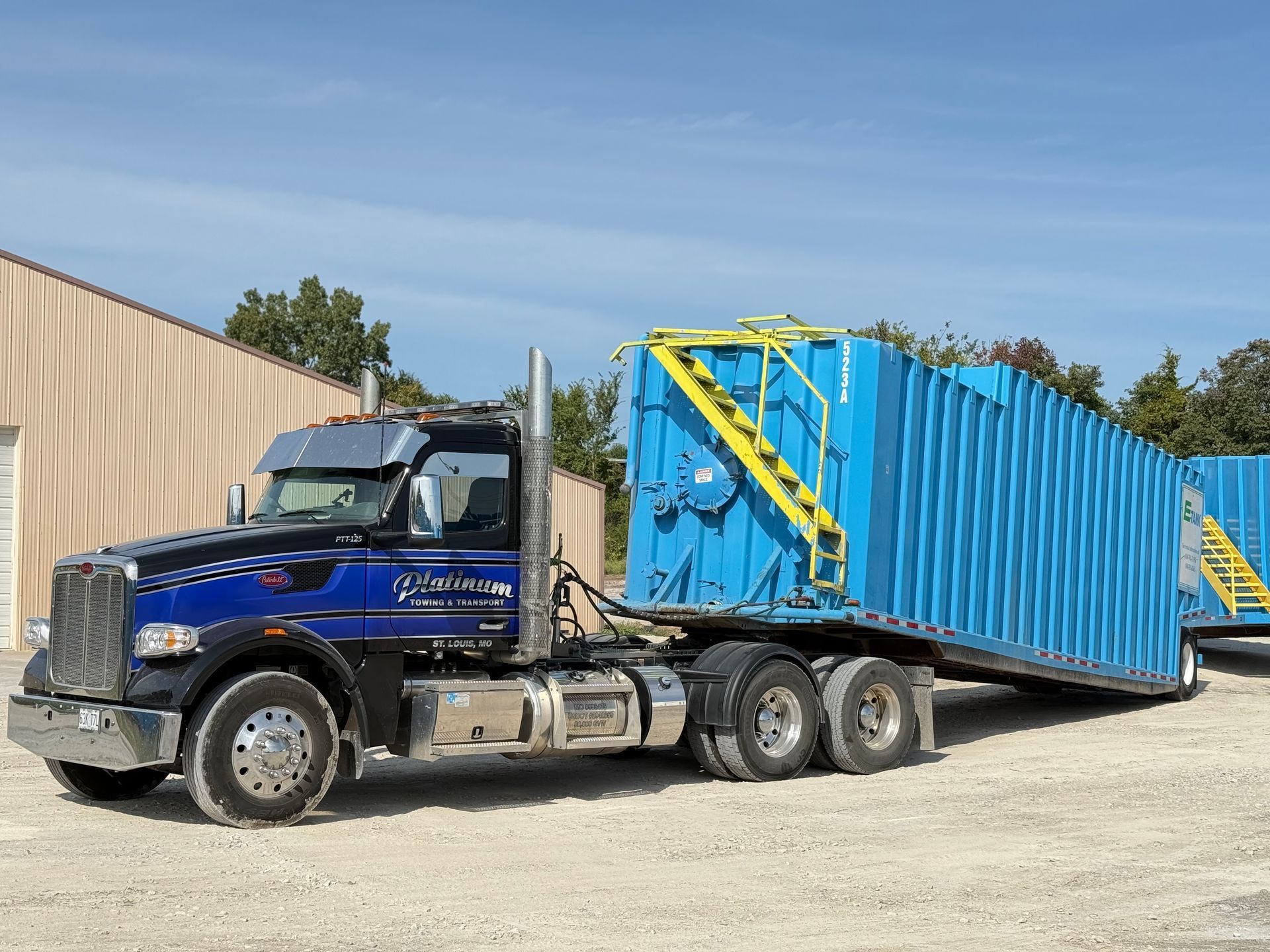
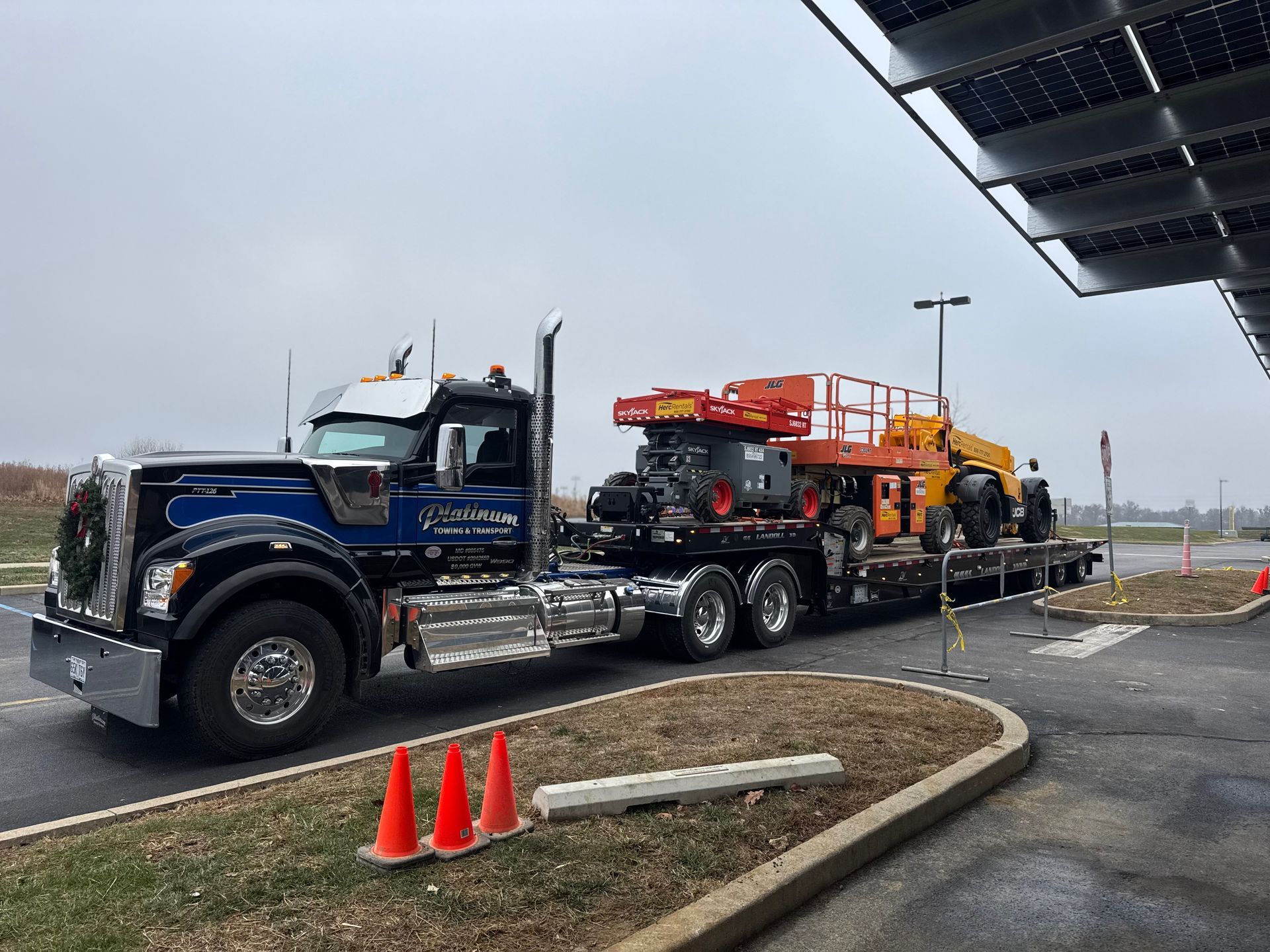
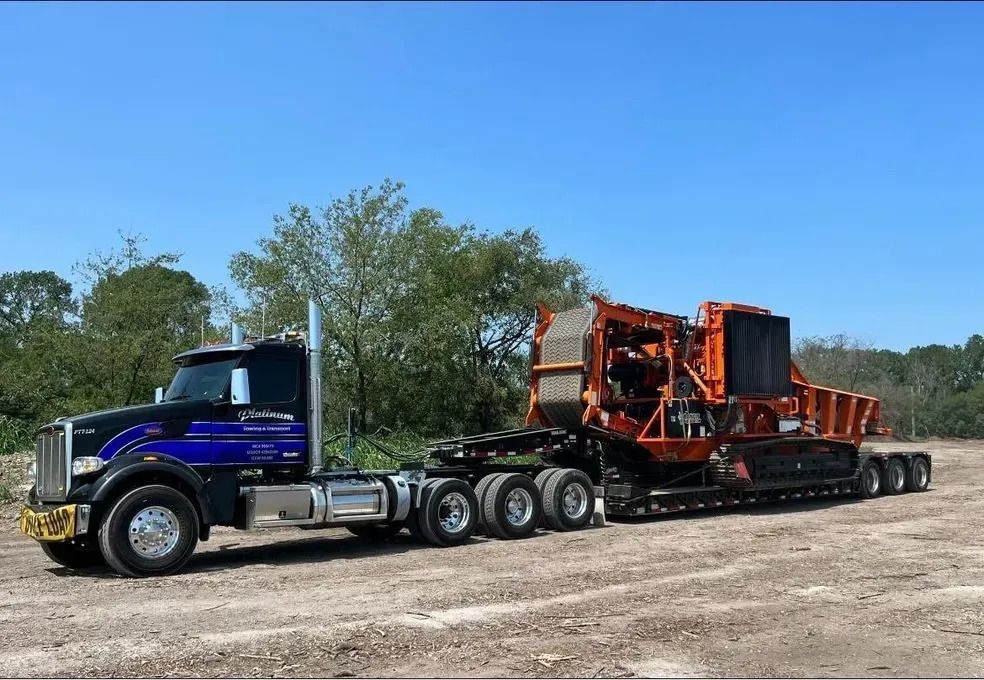
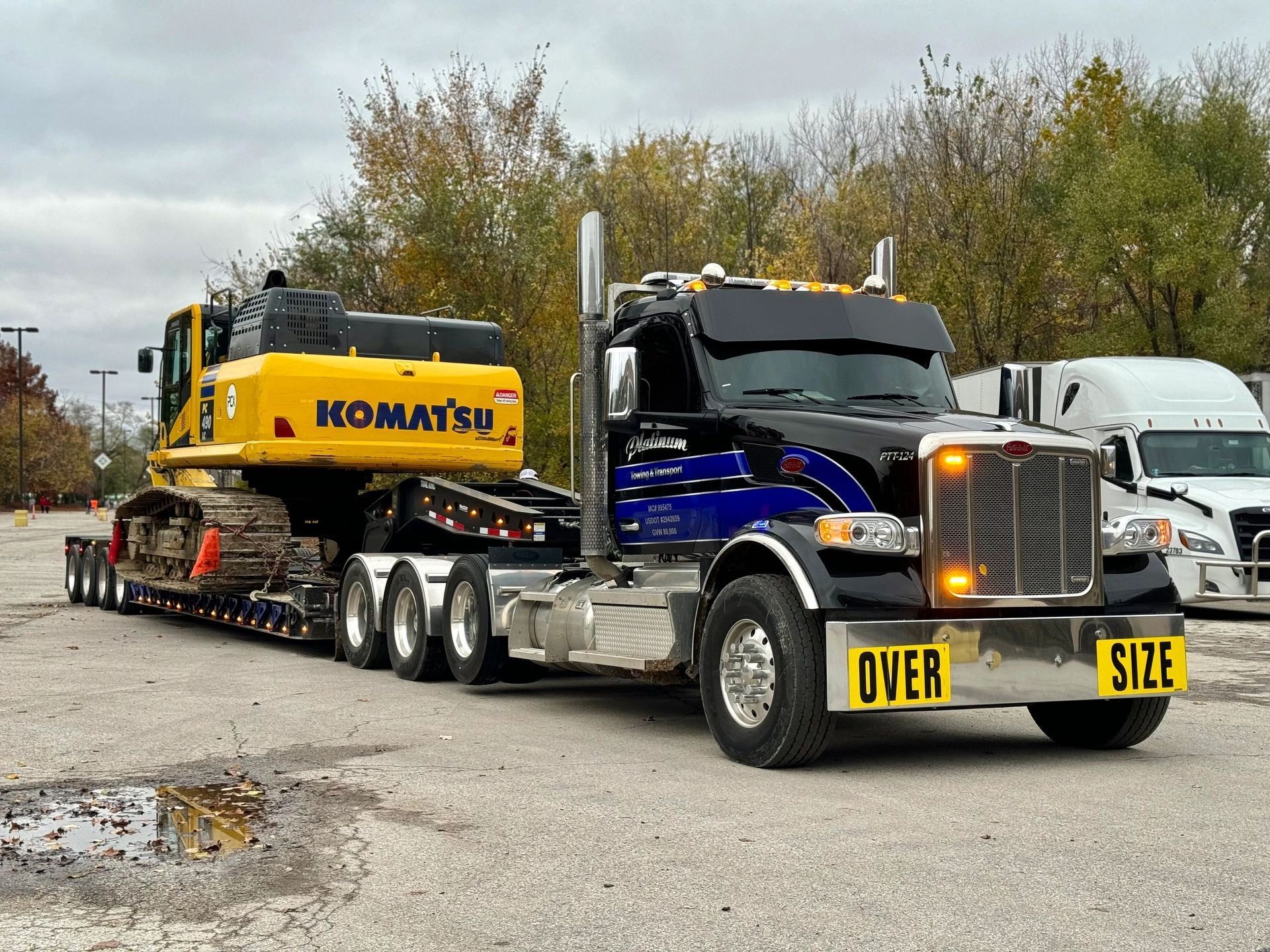
Commercial vehicles vary significantly in structural design, physical weight, and axle configuration, which means that recovery providers must maintain versatile fleets of specialized recovery machinery. High-quality heavy duty towing demands powerful wreckers, rotators, and flatbed trailers capable of moving massive loads without causing structural damage to disabled vehicles. When researching potential providers, fleet managers should inquire about the maximum weight capacities and technical features of the recovery machinery available. Modern rotators, for example, feature boom arms that rotate across wide angles, allowing operators to execute complex lifting operations in confined spaces or off steep highway embankments. Ensuring that a recovery service possesses modern machinery tailored for heavy commercial transports guarantees that your specific vehicle will be handled safely.
Beyond primary recovery vehicles, a fully equipped towing provider carries auxiliary safety tools, rigging hardware, and specialized attachments required for complex recovery scenarios. Air cushion recovery systems, heavy winches, and low clearance trailers allow experienced operators to manage overturned trailers, spilled cargo, and delicate equipment without inflicting secondary damage. Commercial operators should verify that the towing company continuously invests in updating its fleet and performing regular maintenance checks on all recovery gear. A commitment to equipment upkeep reflects operational discipline and ensures that recovery vehicles remain fully functional during intense recovery operations. Choosing a company with top-tier machinery protects valuable commercial investments during unexpected roadside emergencies.
Evaluating Operator Qualifications and Safety Standards
The effectiveness of heavy duty towing relies heavily on the technical skills, training, and experience of the recovery operators performing the work. Handling massive commercial rigs requires extensive knowledge of weight distribution, rigging physics, dynamic tension, and roadway safety protocols. Professional operators undergo rigorous certification programs that validate their ability to execute complex recoveries while protecting bystanders, passing traffic, and damaged equipment. When selecting a service partner, business owners should inquire about operator training programs, ongoing safety education, and industry certifications. Experienced operators assess each breakdown scene carefully, identifying potential hazards and selecting optimal recovery methods before initiating any lifting or winching procedures.
Safety standards extend beyond technical execution to encompass scene management, hazard containment, and regulatory compliance. Heavy duty towing operations frequently occur along busy highways, congested corridors, and challenging environmental terrain where safety hazards are amplified. Dependable operators establish secure work zones using advanced lighting systems, traffic cones, and protective positioning to safeguard the public and clear roadways efficiently. Additionally, professional companies maintain strict compliance with federal and regional transportation safety rules, ensuring that all recovery activities meet legal standards. Partnering with safety-conscious operators provides peace of mind knowing that critical recovery tasks will be managed professionally and securely.
Verifying Proper Licensing and Insurance Coverage
Securing heavy duty towing services requires thorough verification of legal licensing credentials and comprehensive insurance protection. Operating commercial recovery vehicles involves significant financial liability, making adequate insurance coverage non-negotiable for fleet owners and logistics managers. Qualified companies carry substantial liability policies along with specialized cargo insurance to protect high-value commercial freight during transit. Before establishing a contract with a service provider, prospective clients should request documentation confirming active insurance policies and official operating authority. Verifying these credentials shields your organization from unexpected financial risks, property loss, or liability disputes in the event of an unforeseen incident during transport.
Legitimate towing providers readily display state regulatory numbers, federal transportation authority credentials, and professional association memberships. These certifications demonstrate that the company adheres to strict operating guidelines, routine inspections, and transparent business ethics. Working with uncertified or underinsured operators exposes commercial vehicle owners to regulatory penalties, compromised safety standards, and potential vehicle damage without financial recourse. Taking the preliminary step to audit regulatory compliance ensures that your commercial assets are placed in the hands of legitimate professionals. Establishing a business relationship with a fully licensed provider ensures full accountability and professional integrity across all recovery operations.
Examining Response Availability and Operational Radius
Commercial vehicle breakdowns can happen at any hour of the day or night, creating urgent situations that demand immediate professional assistance. According to Market Research Future, the rising demand for 24/7 towing services is a notable driver for the tow truck market. Unplanned downtime directly impacts business supply chains, driver schedules, and delivery commitments, making rapid dispatch capabilities critical for fleet operations. When evaluating service options, fleet managers should prioritize companies that maintain round-the-clock dispatch centers staffed by knowledgeable personnel. Prompt communication and clear arrival estimates allow logistics coordinators to manage schedules effectively during sudden roadside emergencies.
In addition to around-the-clock availability, assessing the operational coverage area of a recovery provider is essential for regional logistics planning. A towing partner with a broad service radius and strategically located dispatch hubs can reach stranded vehicles quickly across major highways and rural routes alike. Fleet managers should confirm whether potential service providers maintain established networks for long-distance transports and interstate recoveries. Having a dependable partner with extensive geographic coverage eliminates the need to coordinate with multiple regional operators during long-haul journeys. Choosing a provider with broad coverage guarantees seamless assistance wherever your commercial vehicles travel.
Reviewing Pricing Transparency and Business Reputation
Transparent pricing structures build trust and foster healthy long-term relationships between commercial fleet managers and service providers. Heavy duty towing involves variable factors such as equipment usage, recovery complexity, mileage, and labor time, which can influence total recovery expenses. Reliable companies provide clear cost breakdowns, explaining base rates, winching fees, and secondary service charges before dispatching equipment whenever feasible. Avoid providers that employ vague pricing schemes or obscure hidden surcharges that inflate final invoices unexpectedly. Clear communication regarding billing practices allows businesses to manage recovery expenses accurately and avoid frustrating financial surprises following an emergency intervention.
Evaluating business reputation through customer feedback, client testimonials, and industry references offers valuable insights into service consistency and customer satisfaction. Longstanding commercial clients often highlight a provider's punctuality, operational professionalism, and care when handling delicate commercial cargo. Reading online reviews and seeking recommendations from fellow fleet managers helps identify heavy duty towing companies with proven track records of excellence. A company that consistently receives positive feedback for reliability, integrity, and safety is far more likely to deliver exceptional results during critical recovery moments. Investing effort into reviewing customer satisfaction ensures that your business aligns with a trusted industry leader.
Choosing the ideal partner for heavy duty towing requires evaluating equipment standards, operator qualifications, licensing credentials, operational availability, and pricing transparency. Commercial vehicles represent significant financial investments, and placing them in qualified hands during emergency situations protects assets, schedules, and highway safety. Establishing a relationship with a trustworthy provider before emergencies arise ensures swift response times and seamless operational continuity for your fleet. By prioritizing professional expertise and comprehensive recovery solutions, business owners can navigate unexpected roadside challenges with confidence and peace of mind. To secure reliable, professional support for all commercial recovery and transport needs, contact Platinum Towing & Transport today.